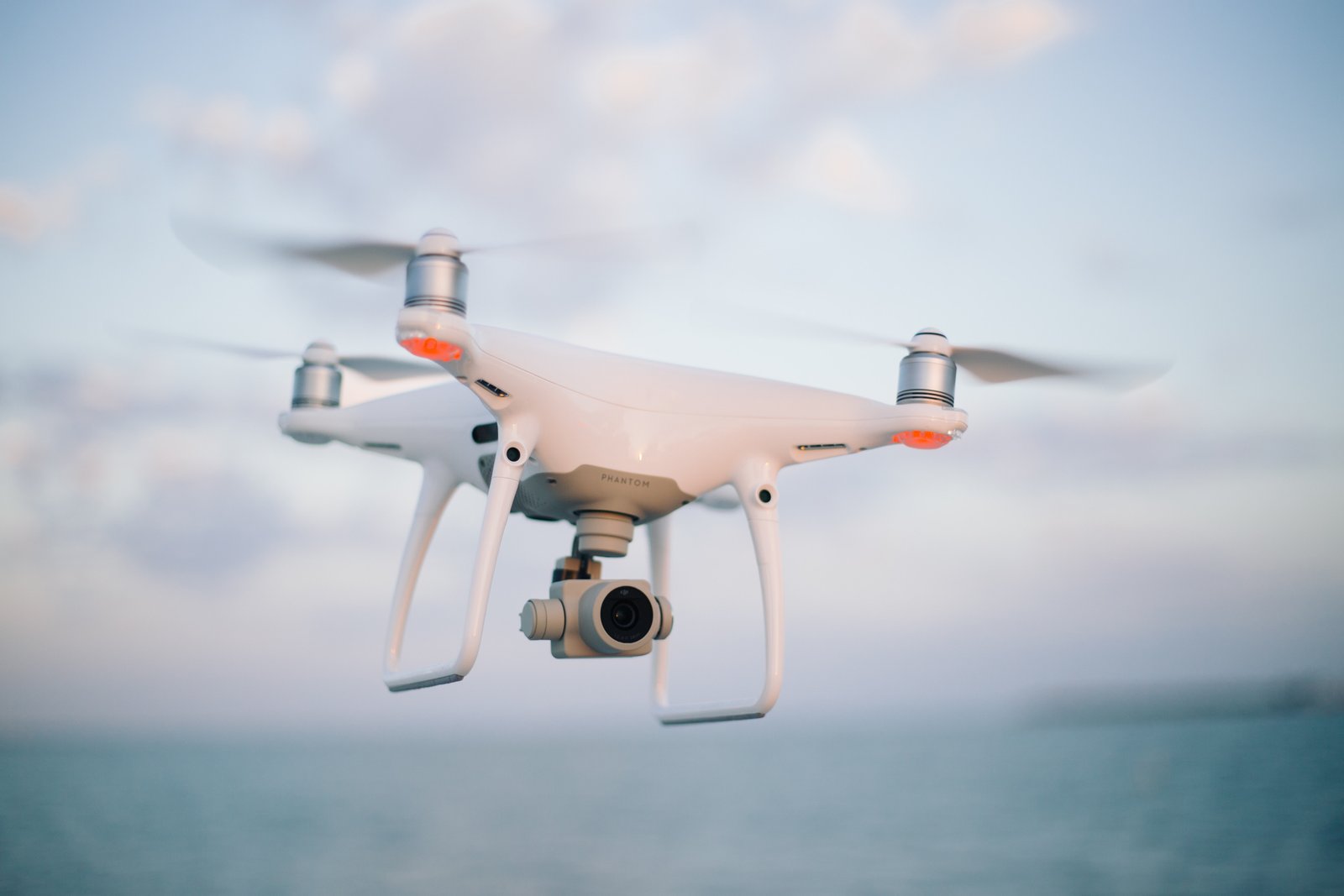
I have a Potensic Atom SE drone. Under 249 grams. 31 minutes flight time. Folds down small enough to fit in a cycling pack.
It has been in its box for over a year.
📦 The Depreciation You Don’t Think About
There’s the obvious depreciation — the resale value dropping while it sits there. That’s real but it’s not the main problem.
The main problem is the depreciation of relevance.
When I bought it, I had a clear vision. Hero shots from clifftops. Video footage that shows the full sweep of a Cornish location before settling on me setting up the easel. A visual record of what plein air painting in this part of the world actually looks, sounds and feels like.
That vision is still completely valid. It hasn’t depreciated. If anything it’s more relevant now, because the content we’re building around Creative Path 52 and damiansemonin.art needs exactly that kind of footage.
But I’ve had 14 months during which I could have been building a library of it, and instead I have an intact box and a growing sense of irony.
🎨 What It’s Actually For
Cornwall is extraordinary to paint. Two coasts within 30-45 minutes. Locations like Wheal Coates — a ten-minute drive from me, a fifteen-minute cycle — that featured in Poldark. Ancient engine houses on clifftops above turquoise water. The kind of landscape that makes American viewers stop scrolling because they recognise it as beautiful before they understand why.
The research I’ve done on American audiences bears this out. The appetite for Cornwall — fired in no small part by Downton Abbey and Poldark — is real. The combination of stunning landscapes, an artist recording them in real time, drone footage that gives the full sense of place, and a narrative about what it means to work and live creatively in a location like this?
That’s a rich vein. And the drone is what unlocks the visual scale of it.
The GoPro is part of this too. Older model, but I have the subscription for cloud storage. It goes on the helmet or the bars during the cycling sections. The drone handles the wide context shots. Together they cover everything from intimate to cinematic.
⚠️ The Rule I’m Making Myself Follow
Don’t buy it until you’re ready to use it.
That’s the rule I should have had in place. Not because the purchase was wrong — the drone is still the right tool — but because buying something is not the same as using it, and the gap between the two is where the value drains away.
This applies to every workshop course you’ve purchased and not completed. Every art book you’ve bought and not opened past the introduction. Every subscription running in the background for tools you haven’t touched in three months.
The drone in the box is just the most visible version of a pattern that shows up everywhere.
The solution isn’t to buy less. It’s to create a commitment at the point of purchase: what is the first specific thing I will do with this? When will I do it? What do I need in place to make that happen?
For the drone: the first session is the Wheal Coates clifftop. Morning light. One coastal painting documented from setup to finished piece with drone overhead shots at key stages. That’s the brief. That’s how it moves from “expensive equipment I own” to “content asset that generates value.”
🌊 The Plein Air Planning System
Here’s what I want to build — and what the Creative CoPilot is being designed to support.
A plein air session should be planned. Not rigidly, but specifically. That means:
Location brief — where, why, what I’m hoping to capture. What’s historically or visually significant about it.
Route — the cycle ride in, the ride home. Strava or GPX integration so the journey itself is documented, not just the painting.
Weather window — checked 5-7 days out and monitored closer in. The co-pilot flags when a window that looked borderline starts to improve. Two or three location options, ranked by which one works best in the forecast conditions. (An exposed clifftop in 25mph wind is a miserable place to hold a canvas.)
Kit checklist — lightweight, nothing forgotten. Drone batteries charged. GoPro card formatted. This shouldn’t require thinking on the morning.
The result isn’t just a painting. It’s a documented creative session with footage, a cycle route, weather context, and a finished piece. Every one of those is content. Every one feeds something on the sites.
🎬 The Audience That’s Waiting
There are people — many of them in the States — who would follow this exact journey.
Not because they want to paint. Because they want to see this place through the eyes of someone who lives in it, loves it, and has the craft to show why it matters. The drone footage is what makes it feel real rather than just Instagram.
The box needs to be opened.
I’m opening it this week.